Auf dem Sprung
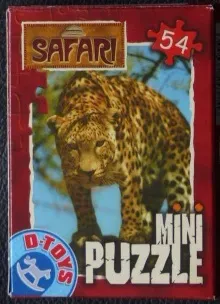
The central focus of this image is a high-resolution photograph of a leopard moving forward through a dry, natural environment. The leopard is captured from the front-facing angle, with its golden-tan fur patterned with dark, rosette-shaped spots clearly visible. Its head is lowered slightly as it walks, showcasing intense, focused eyes and a sleek, powerful physique typical of the big cat.
Behind the animal, the background consists of soft-focus elements suggesting an outdoor savanna or wooded area. Hints of tree branches and dried grass create a blurred, natural texture, rendered in muted browns, yellows, and pale sky-blue tones. The lighting appears natural and bright, emphasizing the leopard's coat and providing contrast against the softer, out-of-focus environment. The overall composition centers the leopard, making it the undeniable focal point of the scene. The image quality conveys a realistic, wildlife-documentary style, capturing the leopard in a moment of quiet, predatory movement.
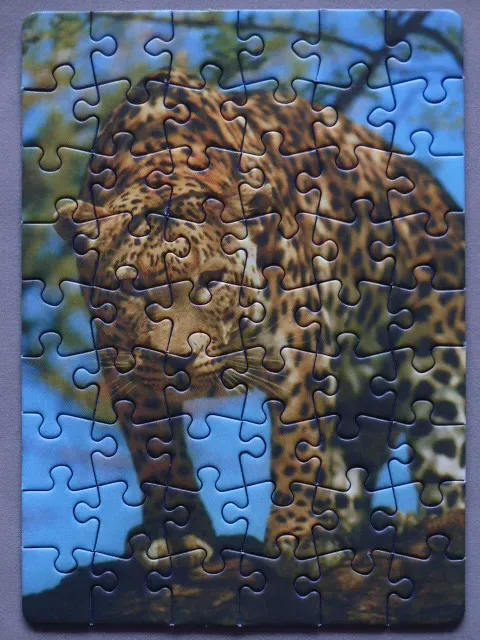
The main subject of this image is a leopard, captured in a mid-stride position as it moves toward the viewer. The large cat fills the majority of the composition, displaying its characteristic golden-tan coat covered in dark, distinct rosettes and spots. Its head is slightly lowered with focused, intense eyes, and its muscular build is evident in its posture. The leopard appears to be walking along a dark, shadowy forest floor or a rock ledge.
The setting is naturalistic, with hints of out-of-focus green foliage and dark tree branches silhouetted against a bright, clear blue sky in the background. The contrast between the warm, earthy tones of the leopard and the cool, vivid blue of the sky creates a striking visual balance. The lighting is soft and diffused, highlighting the texture of the animal's fur and the subtle patterns of its markings.
The style of the image is that of a professional wildlife photograph. It captures a moment of quiet, powerful movement in the animal's natural habitat. The composition is tight, focusing primarily on the front and midsection of the leopard, which enhances the sense of proximity and presence.