Wondrous Wildlife
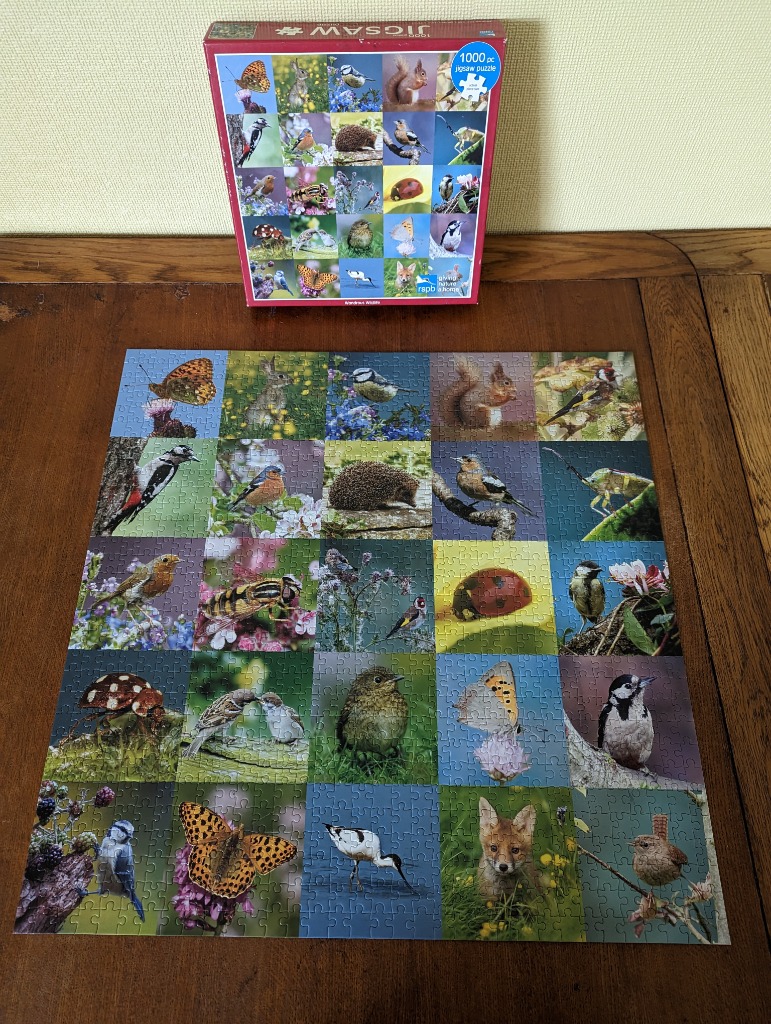
This collection of wildlife photography is arranged in a five-by-five grid, featuring various subjects native to British woodlands and gardens. The grid showcases a diverse array of animals, including a red squirrel, a fox cub, and a hedgehog, alongside an assortment of birds such as a woodpecker, robins, and blue tits. Insects are also represented, with several species of butterflies and ladybirds included to create a comprehensive look at local biodiversity.
Each square in the grid acts as an individual window into nature. The composition is structured and orderly, allowing for a focused exploration of each animal's unique features and surroundings. The layout moves from the top left corner down to the bottom right, with each frame providing a distinct color palette—from the vibrant oranges of the butterflies to the soft, earthy browns of the mammals and the varied foliage greens that unite the images.
The imagery is composed of realistic, high-resolution photographs that emphasize natural light and fine detail. The color scheme is rich and organic, dominated by the verdant greens of the natural world, punctuated by the bright reds of ladybirds, the patterned wings of insects, and the subtle plumage of the birds. The overall mood is educational and tranquil, celebrating the intricate details of small animals within their natural habitats, capturing moments of stillness in the wild.
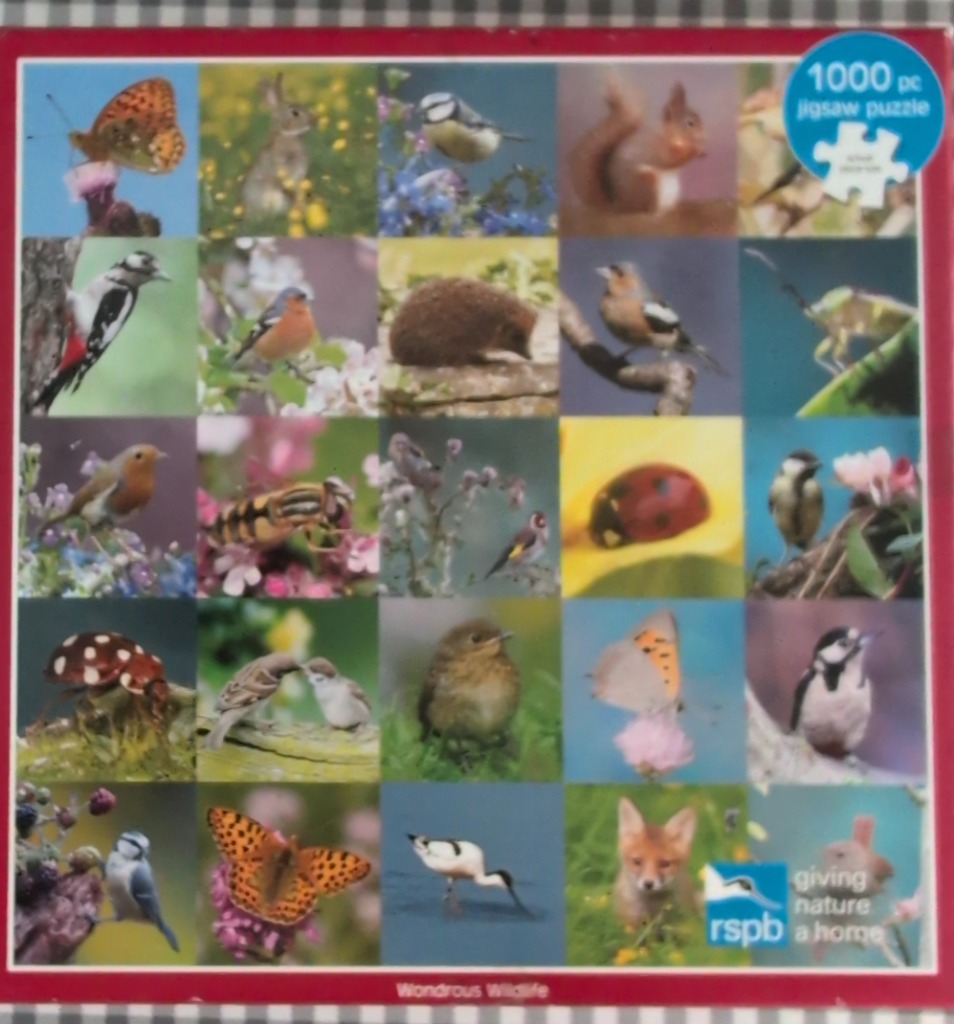
This collage consists of twenty-five individual, square-cropped photographs arranged in a five-by-five grid. Each square highlights a different creature found in nature, primarily focusing on birds, butterflies, insects, and small mammals. The subjects include a red fox, a hedgehog, a rabbit, a ladybird, and various species of garden birds such as a robin, a woodpecker, and tits, all set against natural, soft-focus backgrounds of greenery, flowers, and branches.
The overall style is that of nature photography with a focus on realism and close-up detail. The composition is structured and repetitive, creating a diverse mosaic of wildlife encounters. The spatial layout uses the grid to isolate each creature, allowing the viewer to appreciate the distinct features and natural colors of each animal, from the vibrant orange of the butterflies to the earthy browns and greys of the mammals and birds.
The color palette is vibrant and varied, reflecting a natural outdoor environment. Warm golds, deep greens, soft blues, and pinks from floral backgrounds are balanced by the natural tones of the fur, feathers, and insect wings. The lighting is generally soft and diffused, characteristic of natural daylight, which brings out the textures of the subjects while maintaining a gentle, serene mood across the entire collection. This ensemble highlights the biodiversity of the local ecosystem in a clear, organized format.