Bugs & Insects
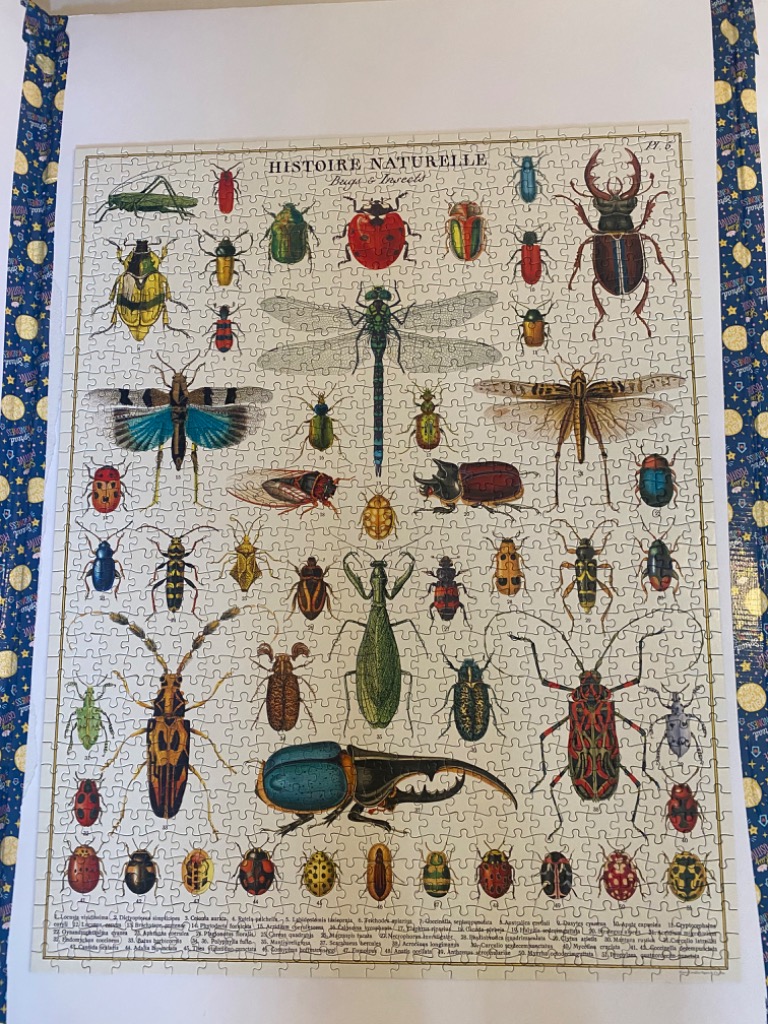
This image presents a classic naturalist-style illustration titled "HISTOIRE NATURELLE" at the top, followed by the subtitle "Bugs & Insects." The central subject is an organized, grid-like collection of various insects, including beetles, grasshoppers, dragonflies, mantises, and other arthropods. Each creature is depicted with scientific detail, showcasing diverse body shapes, wing patterns, and ornate features.
The insects are arranged symmetrically against a clean, off-white background, creating an educational display reminiscent of a historical textbook page. The composition includes larger specimens placed centrally, such as a prominent dragonfly and a stag beetle, surrounded by smaller insects of varying species. At the base of the image, there is a legend containing small, numbered text that corresponds to each insect, providing a formal, documentary aesthetic.
The color palette is rich and earthy, featuring deep reds, metallic greens, iridescent blues, vibrant yellows, and mottled browns. The illustrations are rendered in a vintage, scientific artistic style that emphasizes fine lines and realistic shading, giving the appearance of a hand-colored engraving from the nineteenth century. The overall mood is scholarly and observant, capturing the intricate beauty of the insect world.
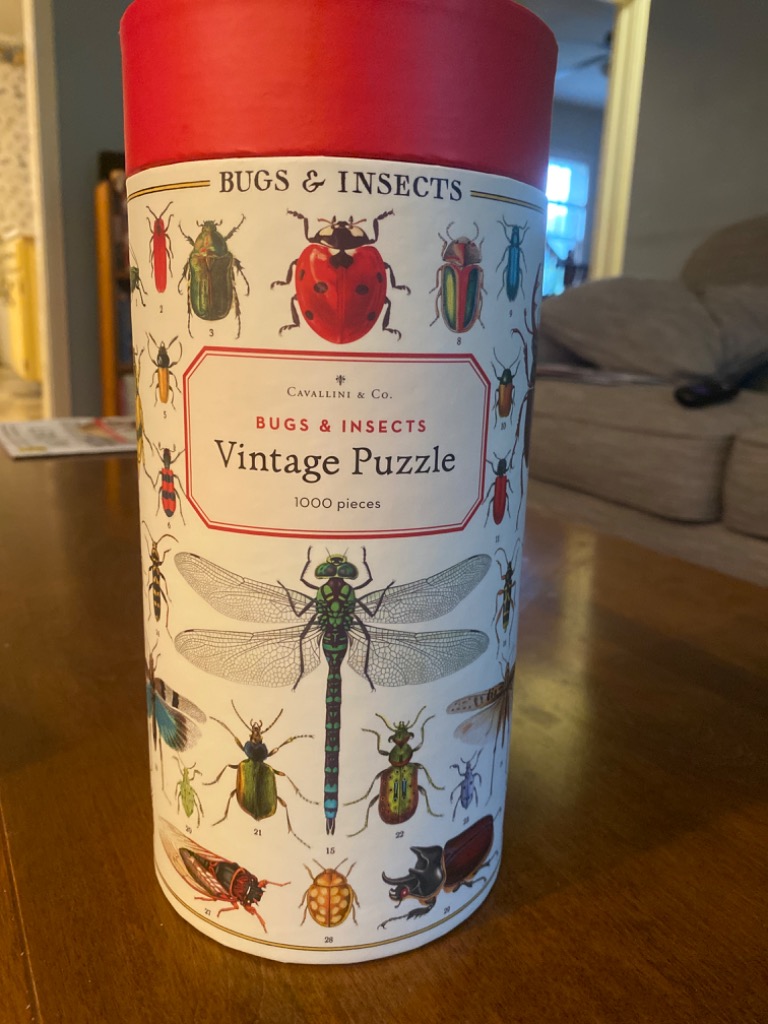
This illustration features a curated collection of various bugs and insects arranged neatly against a clean, off-white background. The central focus is a large, detailed dragonfly with intricate, translucent wings, positioned prominently in the middle of the composition. Surrounding it are dozens of other insects, including beetles, ladybugs, and wasps, all depicted in a scientific, naturalist style reminiscent of vintage biology textbooks.
Each insect is rendered with precise line work and soft, varied colouring, showing a spectrum of metallic greens, deep reds, muted browns, and brilliant blues. The insects are dispersed throughout the space, some shown from a top-down perspective while others are displayed in profile, creating a sense of natural variety. Each specimen is accompanied by a small, discreet number, suggesting a key or index for identifying the different species.
The overall aesthetic is that of a classic botanical or entomological print, characterized by its orderly, educational layout and timeless scientific charm. The composition is balanced, drawing the eye across the white field to discover the unique details of each tiny creature, from the iridescent sheen on a beetle's wing to the delicate, vein-like structures of the dragonfly's wings.